The tables outside the main lecture hall at Schloss Gottorf were generously laid. Ali Chahrour — born in Schleswig, owner of Beirut Brunch on Stadtweg — had prepared hummus, tabbouleh, fattoush, falafel, and manakish. A Syrian woman from Lubna Kalleh’s circle of friends, whom I had met nearly three years ago at an international breakfast gathering, had added further Syrian finger food and pastries.
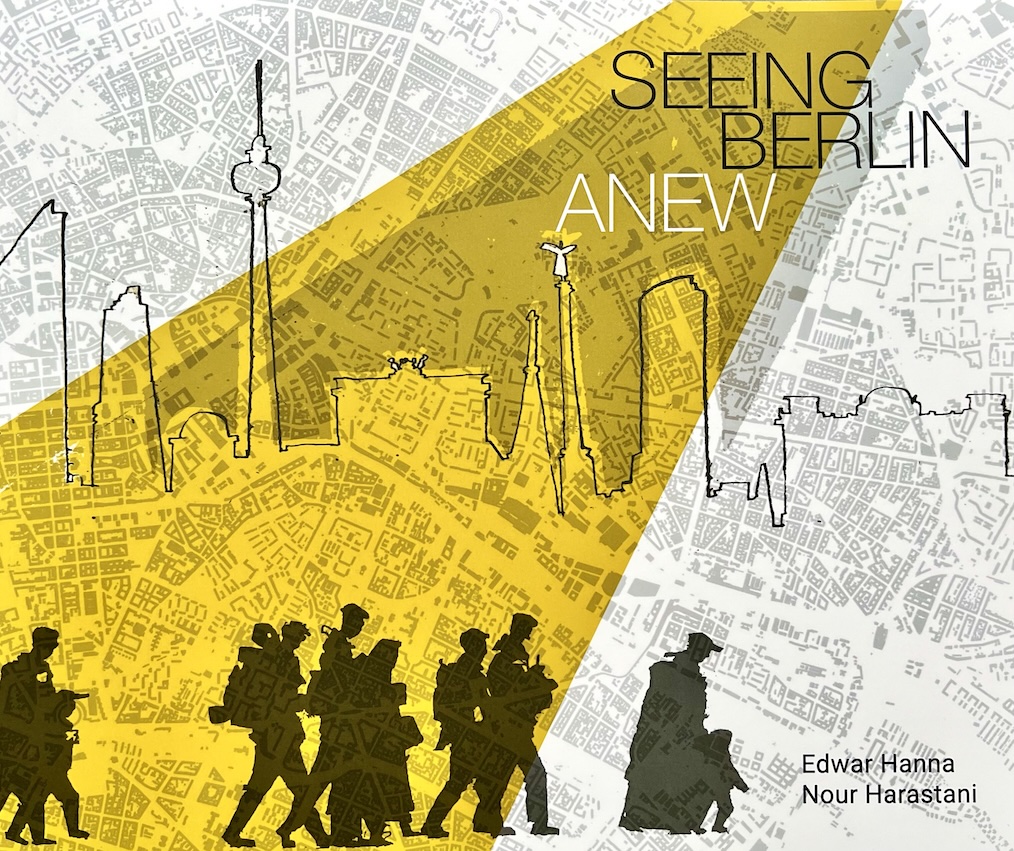
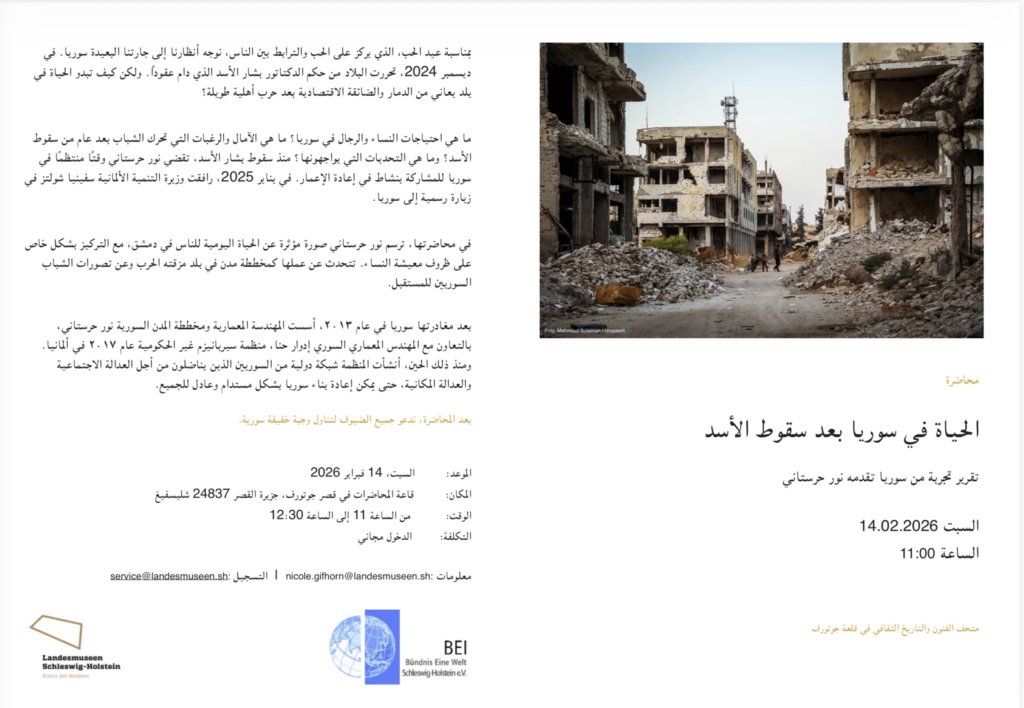
The occasion was a talk by my Syrian colleague and friend Nour. I have known her since 2018, when I was working on securing the rights of refugees and internally displaced persons in relation to Housing, Land and Property (HLP) in the context of the then-acute Syrian conflict. Over several years, we supported Nour and her colleague and friend Edwar in building their initiative Syrbanism — including its early projects and the founding of the Young Syrian Urbanists (YSU) network. I had invited her to Schleswig at the request of Nicole Gifhorn from the Landesmuseen Schleswig-Holstein and the Bündnis Eine Welt.
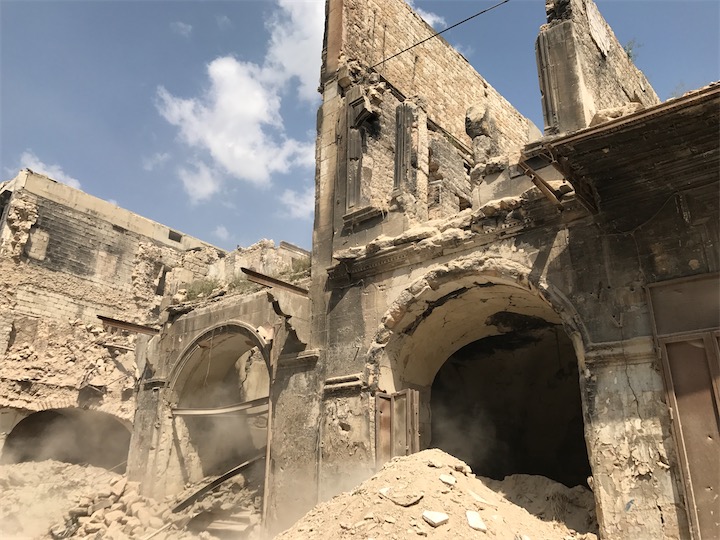
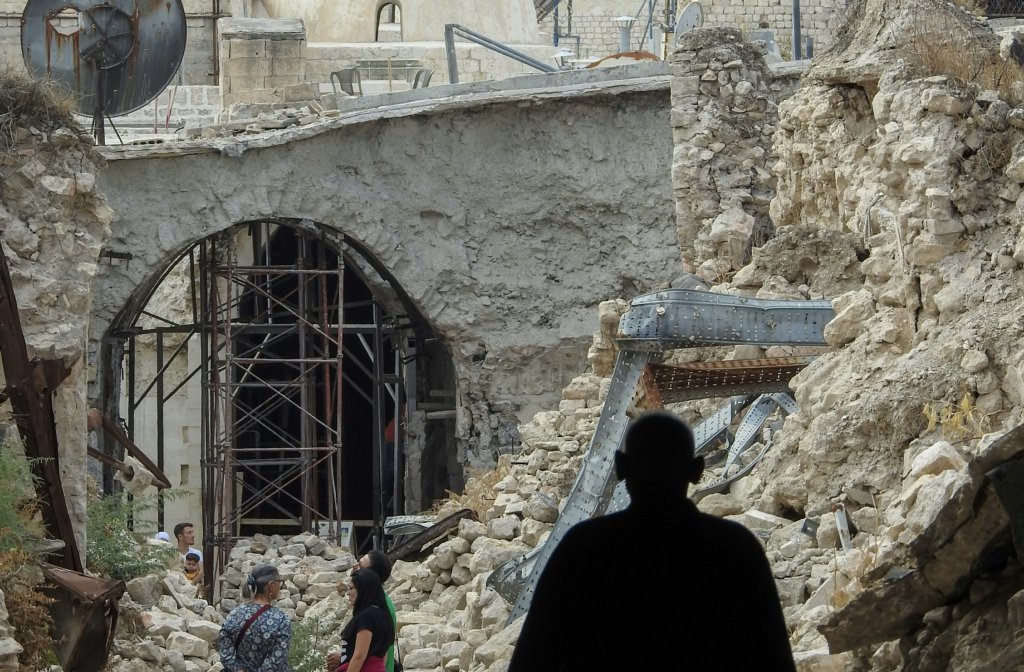
Nour still lives in Berlin, but was among the first to return to Syria after the fall of the Assad regime. She has since established an office in Damascus and now spends regular stretches of time there, contributing actively to the reconstruction of cities damaged during the conflict. In January 2025, she accompanied then-German Development Minister Svenja Schulze on an official visit to Syria.
In her talk, Nour painted a vivid picture of everyday life in Damascus, with particular focus on the situation of women. What do people in Syria actually need? What hopes and frustrations are shaping young Syrians a year after Assad’s fall — and what obstacles do they face? She spoke about her work as an urban planner in a country still marked by war, and about the futures young Syrians are trying to imagine for themselves.
In preparing the event, I had tried to reach Schleswig’s Syrian community through personal conversations, flyers, and notices in Syrian-owned shops in the city centre. Attendance from the community was sparse. A few Syrian women came — but, with the notable exception of photographer Hanna Ward, no men, who seem still reluctant to appear at public events of this kind. The majority of the audience in the well-filled lecture hall were older Germans, as at most events held at Schloss Gottorf.
The talk drew considerable interest, with many questions from the floor. The breakfast buffet that followed sparked lively and at times openly contentious discussion — particularly among the Syrian women present. Points of friction included differing views on the new Syrian government, the role of women in society, tensions between religious conservatism and secular values, and the rights of minorities, above all the Kurds. It was almost unsettling to witness how deep the divisions within Schleswig’s small Syrian diaspora run.