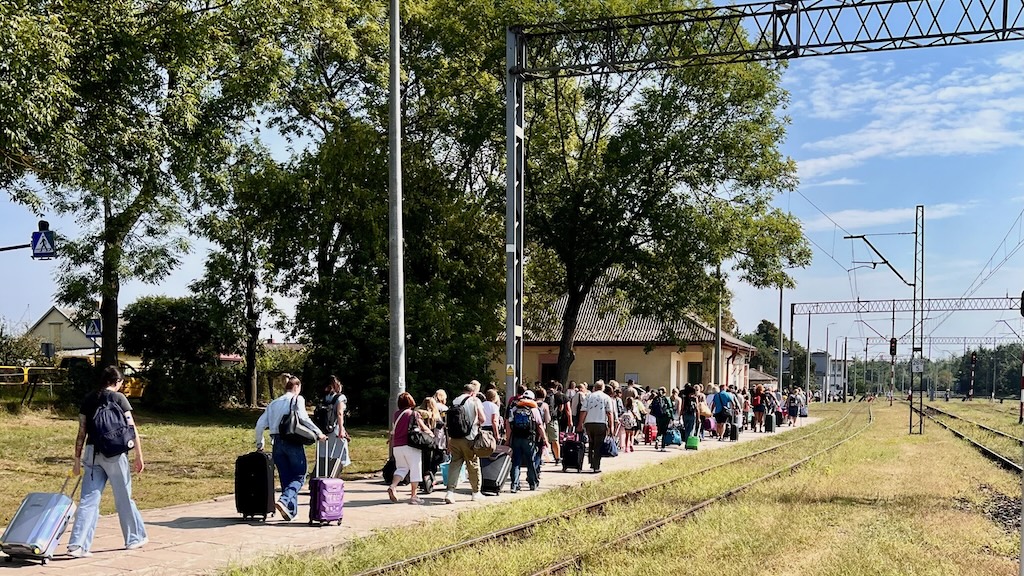
I spent a week in Kyiv to evaluate the second phase of the Ukraine Local Empowerment, Accountability and Development Programme (ULEAD with Europe). The journey itself already hinted at the realities of war: changing trains at the Polish–Ukrainian border, walking across due to different track gauges, and seeing long lines of passengers—mostly women—waiting to travel east.
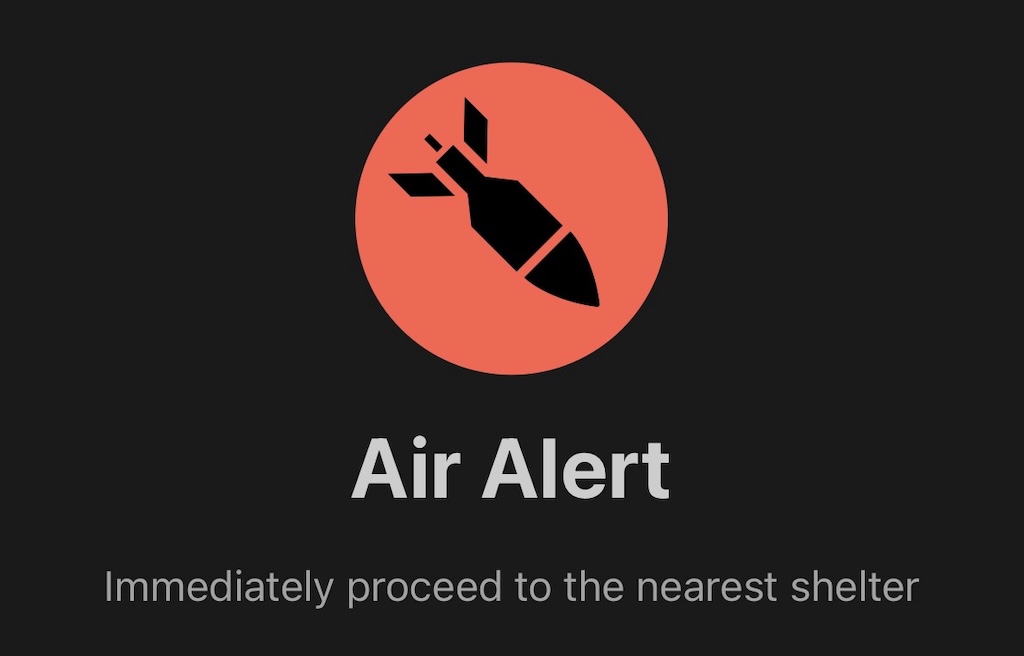
Arriving in Kyiv late at night, just before the curfew, the rules of wartime life became immediately tangible. No alcohol after 11 p.m., clear instructions on where to take shelter during air alerts. The first siren sounded while I was brushing my teeth; several more followed during the night, fragmenting sleep and turning rest into a series of interruptions.

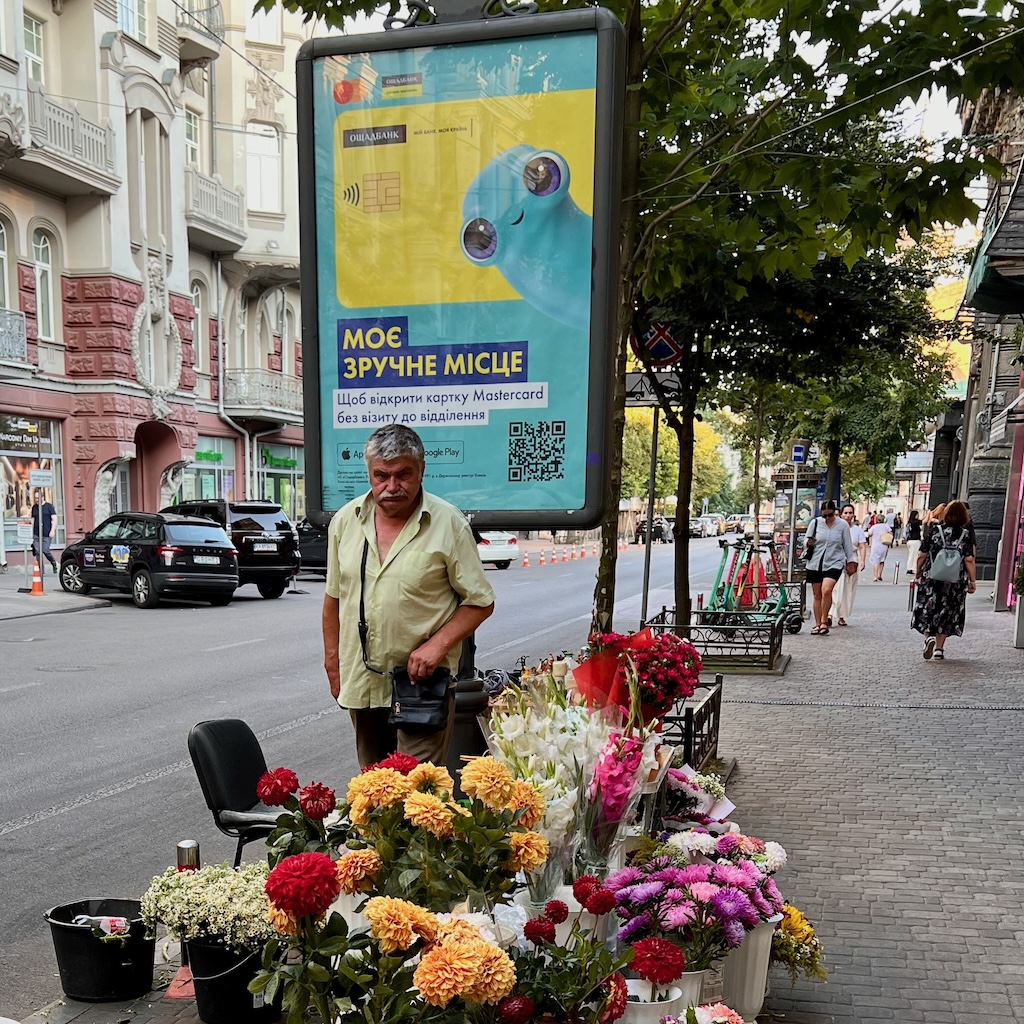
And yet, daytime Kyiv told a very different story. Walking to the office the next morning, I passed busy kiosks, cafés, and shops. In the evenings, the city centre was lively: people strolling, musicians playing, restaurants full. On warm summer nights, the atmosphere felt almost carefree, with few visible signs of a country at war.
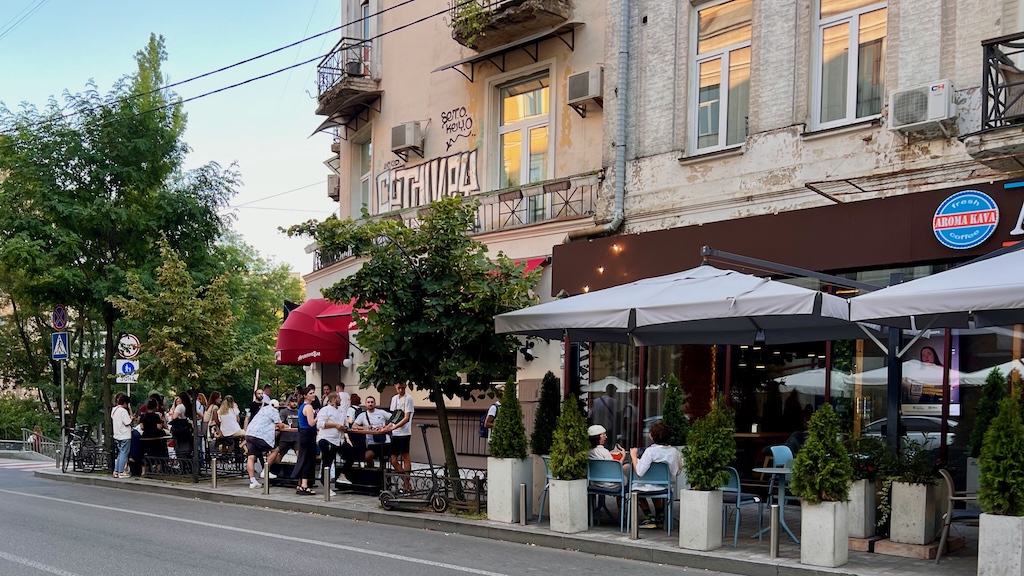
This coexistence of alert-driven nights and seemingly normal days defined my stay. Life in Kyiv has adapted to uncertainty, absorbing the extraordinary into everyday routines. The war is always present, but rarely dominant—until it suddenly is.
As Independence Day approached, warnings of intensified attacks were issued and foreign nationals were urged to leave. Ironically, the last night before my departure was quiet. Only after reaching the safety of Warsaw did I learn of heavy shelling in Kyiv and other cities the following day.
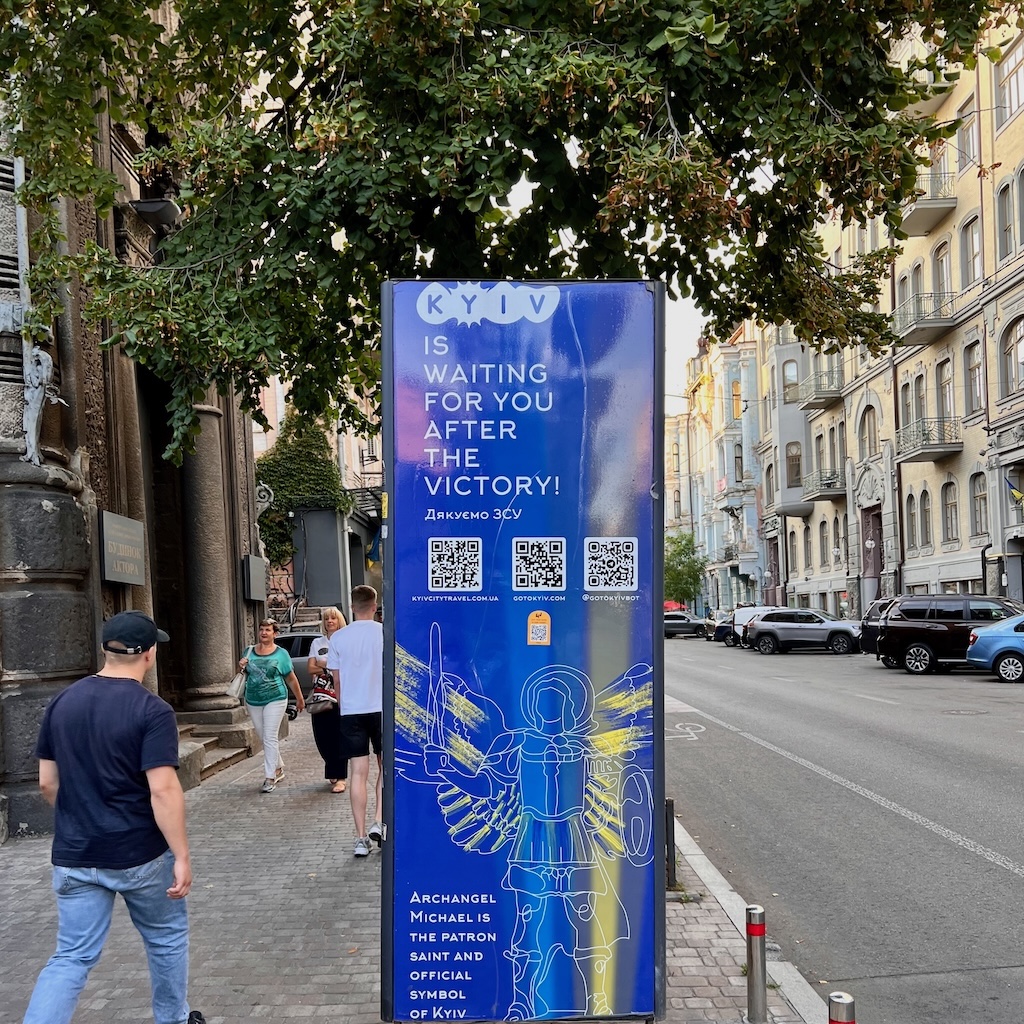
Kyiv, in this sense, is a city suspended between resilience and vulnerability—where urban flair persists, not despite the war, but alongside it.